Ever looked around your home and wondered how you ever managed without your smartphone, smart fridge, or that trusty old toaster? Welcome to the intriguing realm of consumer electronics. These gadgets have not only transformed our daily routines but have also become an integral part of our identity. Whether you’re scrolling through social media or binge-watching your favorite shows, these devices keep us connected and entertained. Get ready to dive deep into what consumer electronics truly are, because trust us, you’ll want to know.
Overview of Consumer Electronics
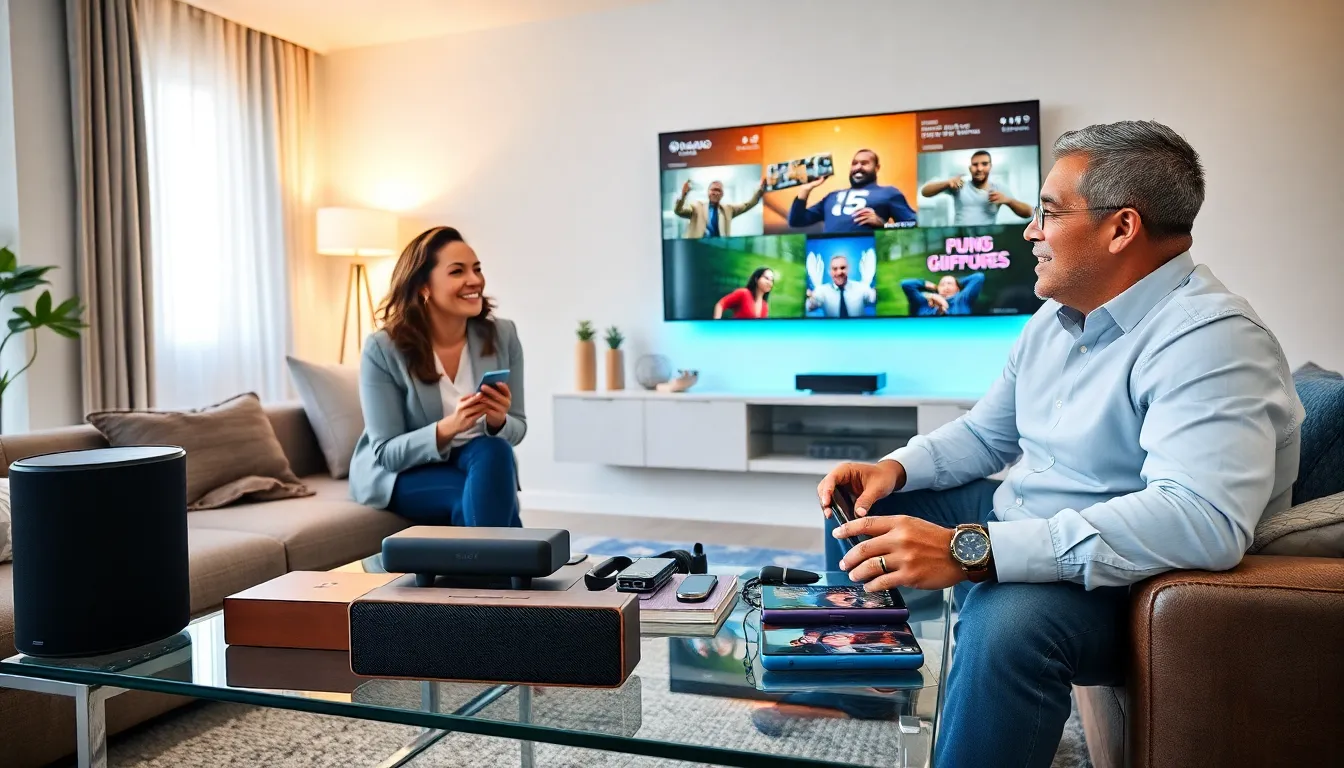
Consumer electronics refer to the wide range of electronic devices that are primarily used for personal entertainment, communication, and recreation. This category spans from humble home appliances like microwaves to high-tech gadgets like virtual reality headsets. Mainly designed for everyday use, these devices enable users to accomplish tasks efficiently while enjoying their leisure time.
The consumer electronics market has evolved dramatically over the years, becoming a multi-billion dollar industry. This explosion in demand has led to a constant stream of innovations. Today’s devices boast remarkable features that enhance user experience and connectivity, underscoring not just convenience but also lifestyle changes. From smart homes to wearable technology, consumer electronics are shaping our interactions with the world.
Categories of Consumer Electronics
Consumer electronics can be broadly classified into several categories, each serving specific purposes. Here are the major ones:
1. Entertainment Devices
This category is dominated by televisions, gaming consoles, and home theater systems. With advancements in display technology and streaming platforms, these devices have revolutionized how individuals consume media.
2. Mobile Devices
Smartphones, tablets, and e-readers have become essential tools for communication and information. They pack immense power and functionality into convenient, portable formats.
3. Computers and Accessories
Laptops, desktops, and peripherals like keyboards and mice fall under this umbrella. They are fundamental for both work and play in today’s tech-driven society.
4. Home Appliances
From refrigerators to washing machines, modern appliances have taken a leap forward with smart technology, enabling remote operation and enhanced efficiency.
5. Wearable Technology
Wearables like smartwatches and fitness trackers have surged in popularity, focusing on health monitoring and connectivity.
6. Smart Home Devices
These include devices such as smart speakers, doorbell cameras, and thermostats that enable homeowners to manage their environment seamlessly through apps or voice commands.
Each category highlights the versatility and essential nature of consumer electronics, affirming their role in modern life.
Key Features and Innovations
When discussing consumer electronics, several key features and innovations come to the forefront:
1. Connectivity
Almost all modern consumer electronics have some form of connectivity. Bluetooth and Wi-Fi capabilities allow devices to communicate, providing users with a more integrated experience.
2. Smart Technology
Many consumer electronics now come equipped with artificial intelligence, enabling them to learn from user behavior. Smart assistants like Amazon’s Alexa or Google Assistant make interaction intuitive and seamless.
3. User-Friendly Interfaces
Touchscreens, voice control, and personalized apps have made using electronic devices easier than ever. Intuitive design means that users of all ages can engage with technology confidently.
4. Portability
Lightweight materials and compact designs are crucial. As lifestyles evolve, the need for devices that move with individuals has become paramount.
5. Energy Efficiency
Today’s consumer electronics are not only powerful but also designed with sustainability in mind. Devices often come with energy-saving features, which reduce overall consumption.
These innovations are not just technical improvements: they reflect consumer needs and aspirations, making technology more relatable and accessible.
Impact on Daily Life
Consumer electronics have undeniably reshaped our daily lives in numerous ways. A few impactful aspects include:
1. Enhanced Communication
With smartphones and tablets, staying connected has never been easier. Emails, instant messaging, and social media platforms enable real-time interactions across the globe.
2. Increased Productivity
Laptops and productivity apps allow remote work and collaboration, making it simpler for teams to function effectively, regardless of location.
3. Home Automation
Smart home devices mean individuals can control lights, thermostats, and security systems with their smartphones. This level of control contributes to energy savings and increased security.
4. Entertainment Accessibility
Access to vast amounts of content on various streaming services has changed how entertainment is consumed. Users can enjoy movies, shows, and music at their convenience, transcending traditional broadcast limitations.
5. Health Monitoring
Wearable devices track health metrics like heart rate, sleep patterns, and physical activity. This data empowers users to take charge of their well-being.
The impact of consumer electronics permeates numerous facets of life, enhancing convenience and shaping cultural dynamics.
Future Trends in Consumer Electronics
The consumer electronics landscape is ever-evolving. Here are some trends poised to shape its future:
1. Artificial Intelligence
AI-driven devices will continue to personalize user experiences, tailoring functionality based on individual preferences and behaviors.
2. Augmented and Virtual Reality
These technologies are set to explode, changing everything from entertainment to education and even training industries by providing immersive experiences.
3. 5G Technology
With the rollout of 5G, users will experience faster and more reliable connectivity. This enhancement will elevate the capabilities of smart devices and improve user interaction.
4. Sustainability Efforts
As environmental concerns rise, manufacturers may focus more on producing eco-friendly electronics that are energy-efficient and longer-lasting.
5. Enhanced Integration
The concept of the Internet of Things (IoT) will lead to increased interoperability among devices, creating a more seamless digital ecosystem for daily interactions.
These trends signal a promising future, where consumer electronics continue to enhance and simplify how we live and connect.