In today’s world, where planning a memorable event can come with a hefty price tag, the concept of thrifty events is gaining traction. Whether hosting a family gathering, a community fundraiser, or a birthday bash, the goal is to create enjoyable experiences without very costly. This article delves into the philosophy of thrifty events and outlines practical strategies for maximizing fun while maintaining a budget. From creative activities to efficient marketing techniques, the insights shared here will empower readers to effectively organize and execute affordable, entertaining events.
Understanding the Thrifty Events Philosophy
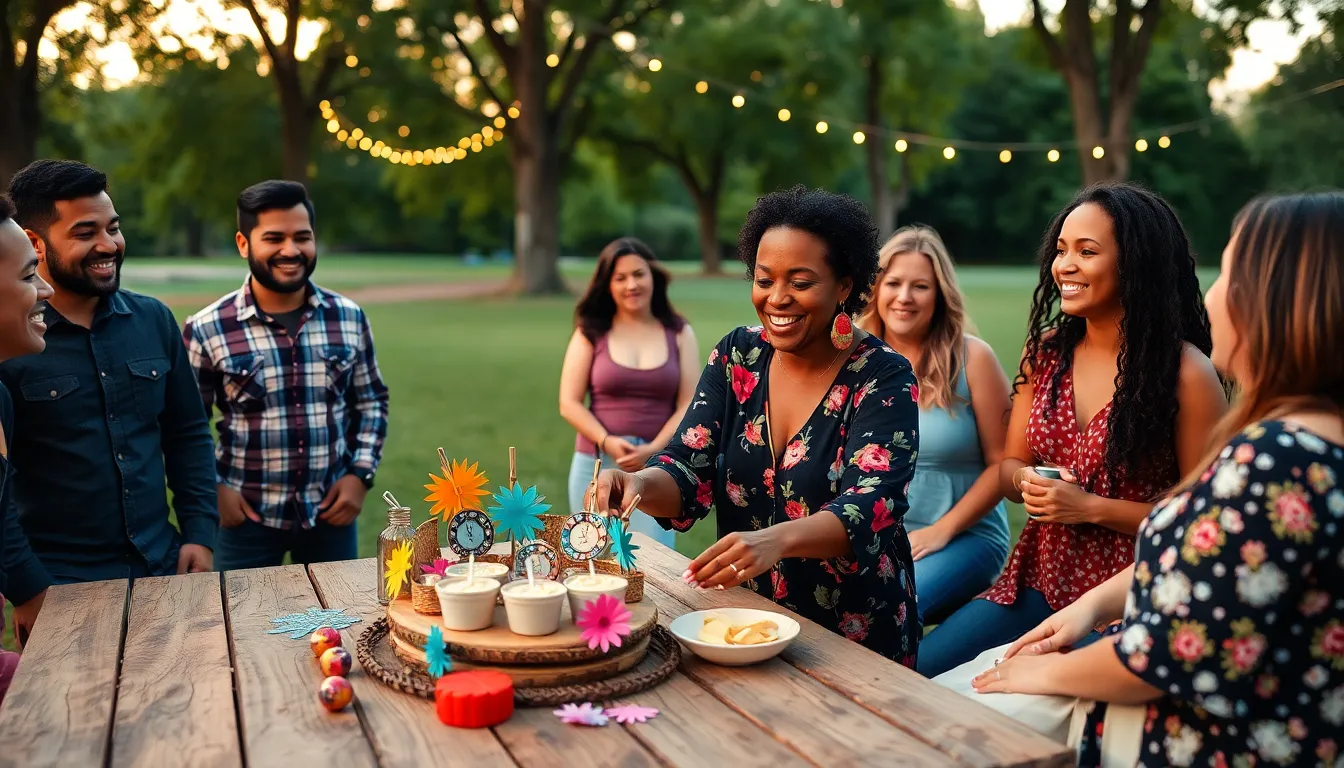
Thrifty events embody a philosophy of enjoyment and engagement that prioritizes creativity over excessive spending. At its core, the thrifty events approach emphasizes resourcefulness, innovation, and community involvement. Rather than viewing a budget constraint as a limitation, event planners are encouraged to see it as an opportunity to think outside the box and explore unique solutions that lead to memorable experiences.
The essence of thrifty events lies in providing joy through personalization and creativity rather than lavish expenses. This mindset encourages hosts to focus on what truly matters: the company of friends and family, the joy of shared experiences, and the memorable moments created together. By embracing this philosophy, event planners can craft events that are not only financially prudent but also rich in heart and joy.
Types of Thrifty Events You Can Organize
Thrifty events come in many forms, and the possibilities are truly endless. Here are a few popular types to consider:
Tips for Budget-Friendly Event Planning
- Define the Purpose: Clearly identify the event’s purpose to help streamline decisions and reduce unnecessary costs.
- Set a Budget: Determine an overall budget and allocate funds to different aspects of the event.
- Make a Checklist: Organizing tasks and priorities can help keep everything on track and within budget.
- Start Early: Planning well in advance allows more time to find bargains.
Finding Affordable Venues and Locations
- Public Spaces: Parks, community centers, and local libraries often have affordable or free spaces available.
- Use Home or Friends’ Properties: Hosting events in personal spaces can save a significant amount on venue costs.
- Consider Off-Peak Times: Booking during less popular times can lead to discounts.
DIY Decorations and Supplies
- Crafting with Recycled Materials: Items like glass jars for centerpieces or scrap paper for DIY invitations can be both creative and cost-effective.
- Community Contributions: Encourage guests to bring items that can be shared or used, such as decorations or food.
Engaging Activities on a Budget
Activities can significantly enhance the enjoyment of any event. Here are ideas to keep guests engaged without depleting funds:
Leveraging Community Resources for Events
- Local Performers: Engage musicians, dancers, or artists from the community: many are willing to contribute for exposure or a small fee.
- Workshops and Classes: Partner with local experts to provide free or low-cost classes during the event.
Collaborating with Local Businesses
- Sponsorship: Collaborate with local businesses for sponsorship opportunities in exchange for promotional exposure.
- In-Kind Donations: Many local shops are willing to donate supplies or services to support community events.
Sourcing Volunteer Assistance
Volunteers can be the backbone of a successful thrifty event. To effectively source volunteer assistance:
- Recruit from Local Communities: Tap into community groups, schools, and organizations that are eager for service opportunities.
- Create Clear Roles: Define specific roles for volunteers to ensure the event runs smoothly.
- Offer Incentives: Provide food, a simple thank you, or recognition for volunteers’ contributions to encourage participation.
Marketing Your Thrifty Event
Effective marketing ensures your thrifty event reaches the intended audience.
Evaluating the Success of Your Thrifty Event
- Social Media: Use platforms like Facebook, Twitter, and Instagram to promote your event using targeted content and engaging visuals.
- Word of Mouth: Encourage attendees to spread the word and invite friends, maximizing reach at little to no cost.
- Local Media: Reach out to community newspapers and local radio stations to gain free publicity.
Gathering Feedback and Insights
After the event, it is crucial to gather feedback and insights to understand what worked and what could be improved.
- Surveys: Create simple online surveys to capture attendees’ opinions on various aspects of the event.
- Follow-Up Communication: Engage with participants post-event through thank-you emails and requests for additional feedback.
- Analyze Attendance Data: Reviewing which marketing channels were most effective can inform future event planning strategies.
Conclusion
To conclude, organizing thrifty events presents an opportunity to create meaningful and enjoyable experiences without financial strain. Through careful planning, community collaboration, and creative resourcefulness, anyone can host events that forge lasting memories. By embracing the thrifty events philosophy, individuals can maximize fun, foster community engagement, and inspire others to explore cost-effective event planning alternatives.