
Biotechnology isn’t just a buzzword tossed around in science fiction movies; it’s the superhero of modern science. From curing diseases to feeding the world, its applications are nothing short of miraculous. Imagine a world where crops grow in barren soil and medicines are tailored just for you. Sounds like magic, right? Well, it’s all thanks to the wonders of biotechnology.
As it weaves its way into various industries, biotechnology proves it’s not just for lab coats and goggles. It’s revolutionizing healthcare, agriculture, and even environmental sustainability. This dynamic field is like that friend who always brings the best snacks to a party—everyone wants a piece. So, buckle up as we dive into the fascinating world of biotechnology applications and discover how it’s shaping our future, one innovation at a time.
Overview Of Biotechnology Applications
Biotechnology encompasses a wide range of applications that significantly influence various sectors. In healthcare, biotechnology enables the development of innovative treatments for complex diseases. For example, monoclonal antibodies are used to treat conditions like cancer and autoimmune disorders. Gene therapy represents another crucial advancement, allowing the correction of genetic defects at their source.
Agriculture also benefits from biotechnology, which enhances crop resistance to pests and diseases. Crops engineered for drought tolerance improve food security in arid regions. Genetic modifications increase yields and reduce the need for chemical pesticides, promoting sustainable farming practices.
Environmental applications showcase biotechnology’s role in waste management and pollution control. Bioremediation utilizes microbes to clean contaminated soil and water. Furthermore, biofuels derived from biomass present a renewable energy source, reducing dependence on fossil fuels.
Food industry innovations include the production of genetically modified organisms (GMOs) that offer improved nutritional profiles. Fortifying foods with essential vitamins and minerals helps combat malnutrition in vulnerable populations. Fermentation processes in biotechnology also enhance food preservation and create diverse flavors in products such as yogurt and cheese.
Industrial biotechnology contributes to the manufacturing sector by developing sustainable processes. Enzymes optimize production efficiency, minimizing waste and energy consumption. Bioplastics made from renewable resources demonstrate a shift towards environmentally friendly alternatives to traditional plastics.
Biotechnology applications span multiple fields, driving advancements that tackle pressing global challenges. The continuous evolution of these applications indicates a transformative future, integrating scientific innovation to enhance health, agriculture, and environmental stewardship.
Agricultural Biotechnology Applications
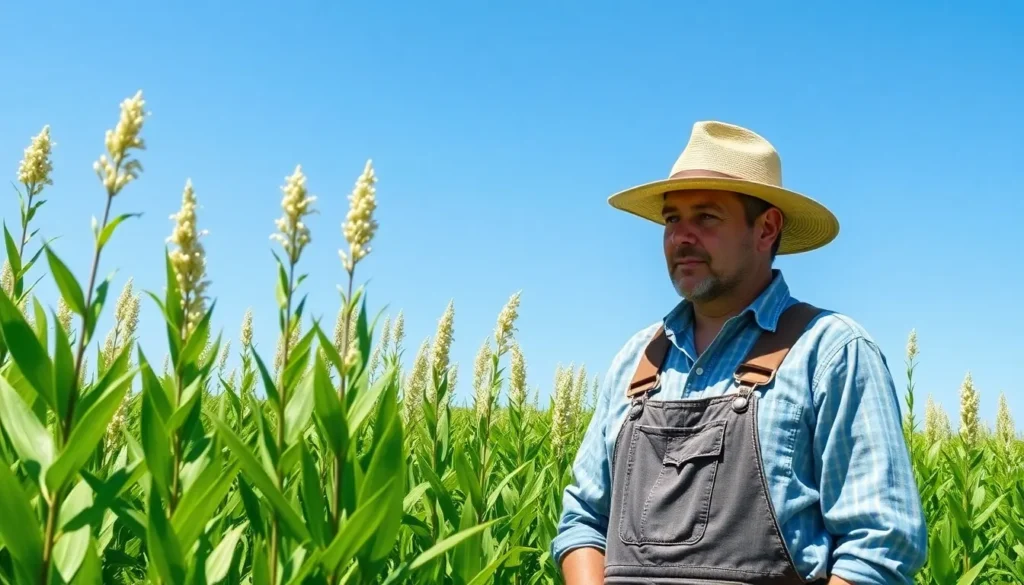
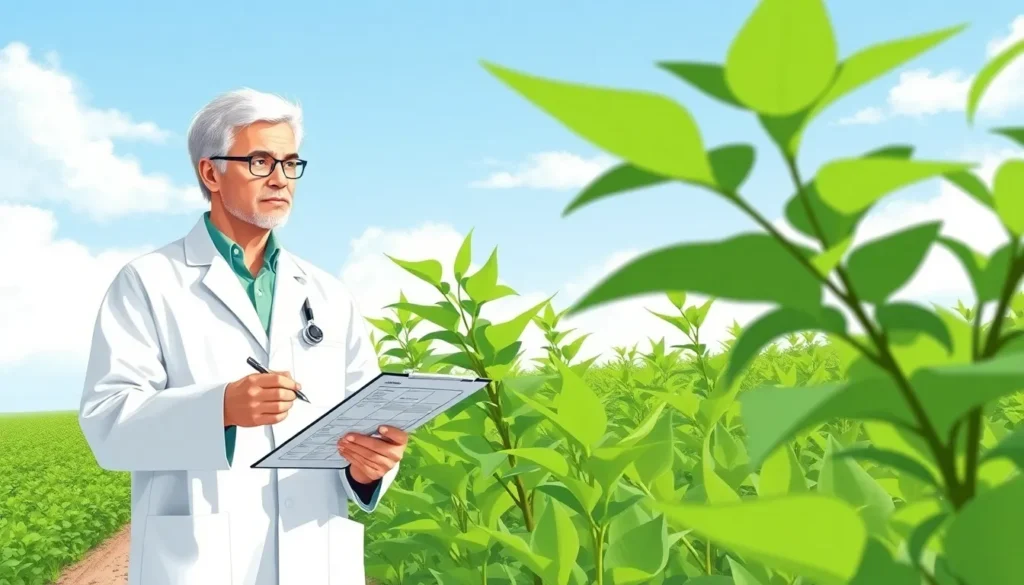
Agricultural biotechnology plays a crucial role in enhancing food production and sustainability. It utilizes innovative methods to improve crop yields, boost disease resistance, and support broader environmental goals.
Crop Improvement Techniques
Biotechnology employs several techniques for crop improvement. Genetic modification allows for the introduction of desirable traits from one organism to another, enhancing productivity. Transgenic plants often display improved resistance to diseases, pests, and environmental stresses like drought. Marker-assisted selection accelerates the breeding process, identifying plants with beneficial traits faster than traditional methods can. These advancements lead to resilient crops, ensuring food security and reducing reliance on chemical pesticides.
Pest Resistance Strategies
Pest resistance strategies enhance crop protection while minimizing chemical use. One common approach involves the use of genetically engineered crops that produce natural insecticides, such as Bt (Bacillus thuringiensis) proteins. These proteins target specific pests while sparing non-target organisms, improving biodiversity. Integrating pest management strategies combines biotechnology with traditional practices, fostering eco-friendly farming. Resistance genes can be identified and utilized to develop varieties effective against emerging threats, ensuring long-term agricultural viability. Each of these strategies contributes significantly to sustainable agricultural practices.
Medical Biotechnology Applications
Medical biotechnology significantly transforms healthcare through innovative solutions. It focuses on developing therapies and diagnostics that improve patient outcomes.
Gene Therapy Innovations
Gene therapy emerges as a groundbreaking approach for treating genetic disorders. This method involves delivering therapeutic genes into a patient’s cells, effectively targeting diseases like cystic fibrosis and hemophilia. Various techniques enable gene modification, such as CRISPR technology, offering precise editing capabilities. Promising clinical trials demonstrate the potential of gene therapy to cure inherited diseases. In addition, advancements in delivery systems, like viral vectors, facilitate effective gene transfer, enhancing treatment efficacy. Regulatory approvals for gene therapies acknowledge their impact on personalized medicine, providing tailored treatment plans for individuals.
Vaccine Development Advancements
Vaccine development advances rapidly, addressing infectious diseases efficiently. mRNA technology revolutionized vaccine design, exemplified by COVID-19 vaccines that achieved unprecedented rollout speeds. This approach allows for quick adaptation to emerging pathogens, ensuring public health preparedness. Furthermore, vaccine efficacy significantly improves with the incorporation of adjuvants, enhancing the immune response. Researchers continually explore combination vaccines to provide broader immunity, reducing disease prevalence. The integration of biotechnology in vaccine development strengthens global health initiatives, emphasizing the importance of immunization in controlling outbreaks.
Industrial Biotechnology Applications
Industrial biotechnology focuses on creating solutions that enhance production and sustainability in various sectors. Key advancements contribute significantly to efficiency and environmental responsibility.
Bioprocessing Techniques
Bioprocessing involves using natural organisms or systems to produce valuable products. Enzymatic processes play a crucial role in optimizing production in the food and beverage industries. Techniques such as fermentation utilize microorganisms to create products like beer and yogurt, enhancing flavor and extending shelf life. Continuous bioprocessing improves efficiency, enabling industries to reduce waste and energy consumption. Processes like biotransformation convert raw materials into bio-based chemicals, supporting the shift toward sustainable practices in manufacturing.
Waste Management Solutions
Waste management benefits significantly from industrial biotechnology through innovative bioremediation strategies. Microorganisms naturally break down pollutants, converting hazardous waste into harmless substances. Techniques like aerobic digestion support organic waste processing, producing biogas that can be used for energy generation. Furthermore, engineered microbes target specific contaminants, ensuring effective removal from the environment. Industrial biotechnology promotes the recovery of valuable resources from waste, such as nutrients and raw materials, aligning with circular economy principles.
Environmental Biotechnology Applications
Biotechnology plays a crucial role in environmental sustainability efforts. It offers innovative solutions like bioremediation and biofuels that address ecological challenges.
Bioremediation Processes
Bioremediation involves using microorganisms to clean up contaminated environments. This technique effectively breaks down pollutants in soil and water, making it vital for restoring ecosystems. Many applications exist, including oil spill cleanup and heavy metal detoxification. Microbes consume hydrocarbons and convert them into less harmful substances. Successful examples include the use of bacteria for degrading chlorinated solvents in groundwater. In addition, phytoremediation leverages plants to absorb or immobilize contaminants, further aiding environmental recovery.
Biofuels Generation
Biofuels generation contributes to reducing dependency on fossil fuels. It primarily focuses on converting biomass into renewable energy sources like ethanol and biodiesel. Various feedstocks, including agricultural residues and dedicated energy crops, serve as inputs for biofuel production. The process not only provides energy but also promotes waste reduction by utilizing leftover materials. Biodiesel production, made from vegetable oils or animal fats, showcases a practical application of biotechnology. Government incentives further enhance the growth of biofuels, fostering cleaner energy alternatives in transport and industry.