In today’s fast-paced world, the landscape of sports is continuously evolving. The intersection of technology, social media, and fan engagement is transforming how sports are consumed, shared, and experienced. From the rise of esports to advancements in analytics and a growing call for diversity, the current state of sports reflects wider societal trends. This article delves into the latest sports buzz by exploring these intersections and their implications for the future of sports.
Understanding The Current Landscape of Sports
Technological Innovations Shaping Sports
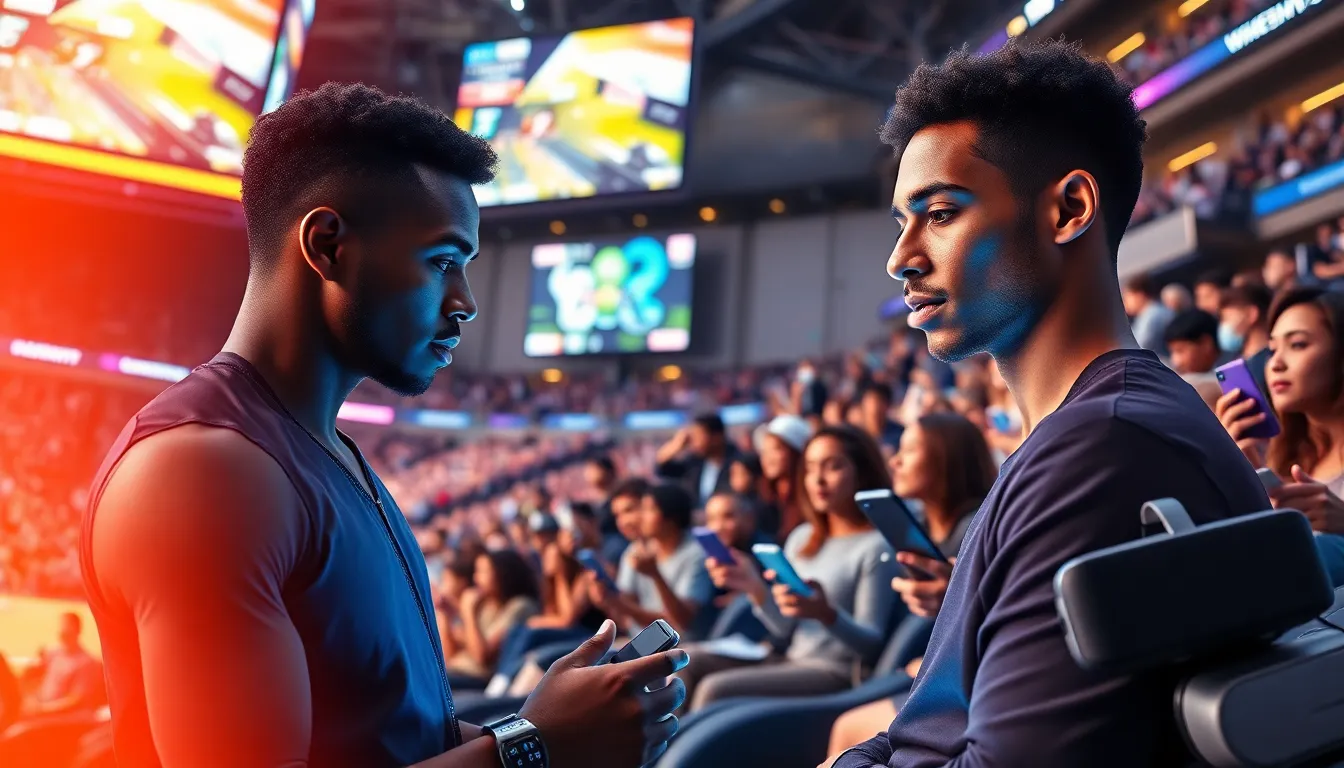
Technological innovations have become a cornerstone of modern sports. These advancements not only enhance athlete performance but also improve the viewer experience. Wearable technologies, like fitness trackers and smart apparel, allow athletes to monitor their health and performance metrics in real-time. This data-driven approach not only helps teams make strategic decisions but also attracts the attention of fans keen on understanding their favorite players’ athleticism on a new level.
Also, virtual reality (VR) and augmented reality (AR) have opened new avenues for fan engagement. For instance, VR experiences can immerse fans in a stadium atmosphere from the comfort of their homes, creating a more intimate connection with the sport. As the quality and accessibility of these technologies improve, they promise to redefine traditional viewing experiences in ways previously imaginable.
The Role of Social Media in Sports Coverage
Social media platforms have revolutionized sports coverage and fan interaction. Instant updates via Twitter, heartfelt stories on Instagram, and lively discussions on Facebook have replaced traditional commentary methods. Fans today expect real-time insights and access to their favorite teams, players, and matches.
Besides, social media has enabled athletes to build personal brands, connecting directly with their audience and contributing to the narrative surrounding their sports. This shift not only personalizes the viewer experience but also generates new revenue streams through sponsorships and ads targeted at engaged audiences.
Emerging Trends in Fan Engagement
Esports: The New Frontier of Competition
Esports has rapidly emerged as a formidable force in the world of sports, drawing millions of viewers and players alike. This booming industry transcends traditional sports boundaries, tapping into the younger generation which often prioritizes digital engagement over conventional athletic forms. Competitions held in expansive arenas are now being watched by millions online via platforms such as Twitch and YouTube.
This growth has sparked discussions among traditional sports organizations, many of which are beginning to invest in esports teams and events. The accessibility and appeal of esports offer unique fan engagement opportunities, allowing for unprecedented interaction through streaming chats and live commentary.
Diversity and Inclusion in Sports
While fan engagement trends become more digitized, there’s a broader call emerging for diversity and inclusion within sports. Organizations are increasingly recognizing the importance of representing various demographics in their teams and leadership. This push is not merely an ethical consideration but a business strategy: research indicates that diverse teams perform better and are more innovative.
Initiatives aimed at increasing visibility for women, minorities, and the LGBTQ+ community within sports are gaining traction. While there’s still a long way to go, these changes suggest that the sports landscape is one that reflects broader societal values, enhancing fan engagement through representation and empathy.
The Impact of Global Events on Sports Dynamics
Sustainability in Sports Initiatives
The global emphasis on sustainability is shaping sports dynamics in numerous ways. Considering climate change and environmental concerns, sports organizations are adopting sustainable practices. This includes transitioning to more environmentally friendly stadiums, reducing waste, and supporting eco-friendly initiatives.
For example, the Tokyo 2020 Olympics strived for sustainability through recycling materials for medals and using renewable energy sources for venues. Fans are becoming increasingly invested in these initiatives, choosing to support teams that demonstrate a commitment to environmental responsibility. This trend of sustainability enhances brand loyalty, as fans link their values with those of the teams they support.
Economic Influences on Sports Development
The economic landscape is integral to sports development, impacting everything from player salaries to infrastructure investments. As broadcasting rights investigate into billions of dollars, there’s an evident shift in how teams operate and engage with fans.
Sponsorship deals are evolving as companies capitalize on the enormous reach of sports, merging traditional advertising with digital innovation. The rise of global sports leagues, such as the English Premier League and Major League Soccer, demonstrates how economic factors influence player recruitment and global audience targeting. As teams seek to maximize revenue streams, the relationship between economics and sports development presents both challenges and opportunities for the future.
Conclusion
The intersection of technology, social media, fan engagement, and economic factors is redefining the sports landscape. As innovations continue to emerge and global perspectives broaden, sports will inevitably reflect the values and priorities of the communities they engage. Understanding these dynamics is crucial for fans, athletes, and organizations alike, paving the way for a more inclusive and connected future in sports.