The fitness landscape is constantly evolving, with new methods and technologies reshaping how individuals approach their workouts. This article delves into the latest trends in fitness training, examining the rise of high-intensity methods, the integration of mindfulness, the importance of recovery, and the influence of virtual coaching. Whether you’re a fitness novice or a seasoned athlete, understanding these trends can enhance your training experience and outcomes.
Overview of Current Fitness Training Trends
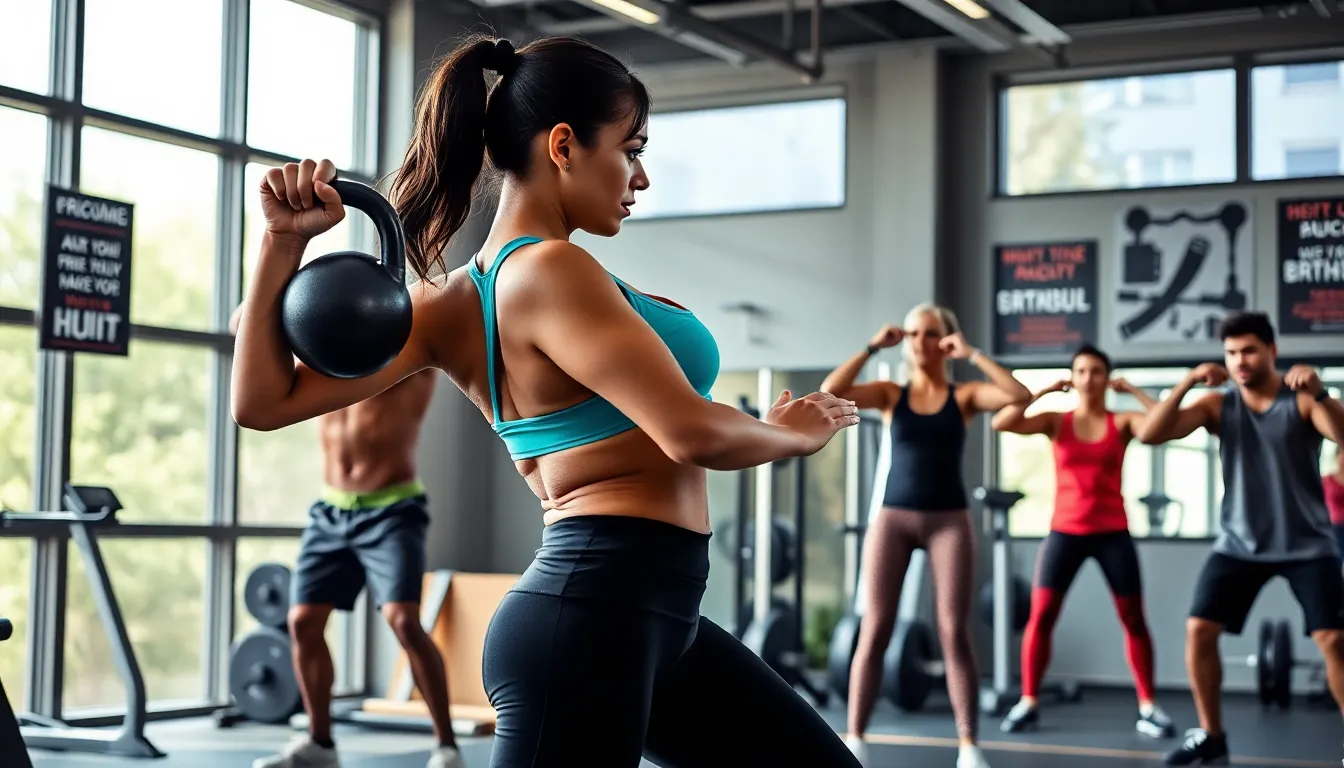
Fitness training is undergoing a significant transformation, driven by the quest for efficiency and results. Two prominent trends emerging in the fitness scene are High-Intensity Interval Training (HIIT) and functional fitness, both reflecting a shift towards more effective and adaptable training styles.
Rise of High-Intensity Interval Training (HIIT)
High-Intensity Interval Training (HIIT) has surged in popularity due to its efficiency and effectiveness. HIIT workouts alternate between short bursts of intense exercise and brief recovery periods, allowing individuals to maximize calorie burn in a shorter time frame. This training method appeals particularly to those with busy schedules, as even a 20-30 minute session can yield significant results.
Studies indicate that HIIT can improve cardiovascular fitness, enhance calorie burn, and increase metabolic rates, making it an attractive option for anyone looking to squeeze in an effective workout.
The Popularity of Functional Fitness
Alongside HIIT, functional fitness has gained traction. This training approach emphasizes exercises that mimic everyday movements, aiming to enhance overall body mechanics and stability. Movements like squats, lunges, and kettlebell swings not only build strength but also improve mobility and balance. The focus on functional fitness is particularly beneficial for older adults and those recovering from injuries, as it promotes safe and effective ways of improving daily physical activities.
Incorporating Mindfulness Into Fitness Routines
As the fitness industry evolves, there is a noticeable shift towards integrating mindfulness into training routines. This trend connects mental well-being with physical performance, promoting a holistic approach to health.
Benefits of Combining Yoga and Strength Training
A notable example of this trend is the combination of yoga and strength training. By merging the two, practitioners can enhance their flexibility, balance, and core strength while simultaneously building muscle. Yoga also emphasizes breath control, which can improve focus and stamina during strength workouts. This combination not only elevates physical fitness but also fosters mental clarity and reduces stress levels, creating a more rounded and sustainable approach to fitness.
Emphasis on Recovery and Injury Prevention
Increased awareness of injury prevention and recovery techniques has become a significant trend in the fitness industry. Athletes and casual gym-goers alike recognize that proper recovery is just as important as the workout itself.
The Role of Technology in Fitness Training
Innovations in sports science have contributed to this emphasis on recovery. Techniques such as foam rolling, massage therapy, and physiotherapy are being complemented by technology. For instance, recovery apps provide personalized recommendations for rest and rehabilitation, ensuring individuals can recover effectively based on their activity levels.
Wearable Devices and Fitness Apps
Also, wearable devices such as fitness trackers and smartwatches are revolutionizing how people monitor their health and fitness progress. These gadgets help users track their workouts, heart rates, and sleep patterns, enabling a tailored approach to recovery. By analyzing this data, individuals can understand when to push harder and when to take a break, minimizing the risk of injury and enhancing performance.
Virtual Coaching and Online Communities
Virtual coaching and online communities have emerged as powerful features of the contemporary fitness landscape. As technology continues to advance, fitness enthusiasts can now access professional guidance from home, breaking geographical barriers.
The Impact of Social Media on Fitness Trends
Social media platforms play a pivotal role in this trend. Influencers and trainers share workout videos, nutrition advice, and motivational content, creating communities where individuals can support and inspire one another. This visibility not only builds a sense of accountability but also allows people to explore diverse training methods from various cultures around the world. Users can partake in unique challenges, join online classes, or simply follow fitness journeys, fostering a community atmosphere that was previously unavailable.
Case Studies of Successful Fitness Influencers
Studying successful fitness influencers can offer valuable insights into the latest trends in fitness training. Influencers such as Kayla Itsines, who developed the Bikini Body Guide, and Chris Hemsworth, who has shared his workout routines through the Centr app, exemplify how authenticity and expertise can drive engagement and results.
Their approaches highlight the importance of relatability and accessibility in the fitness industry: both influencers offer their followers guidance that incorporates trending methods like HIIT and functional fitness while emphasizing a balanced lifestyle that values mental well-being as much as physical health. These influencers inspire their audiences, often creating communities that motivate positive change.
Conclusion
The latest trends in fitness training reflect a dynamic and ever-evolving landscape that prioritizes efficiency, mindfulness, and community engagement. As individuals become increasingly aware of the physical and mental benefits of workout methodologies like HIIT and functional fitness, it’s clear that a holistic approach to fitness is gaining traction. Also, the rise of technology in fitness training facilitates recovery and engagement, further enriching the overall experience. For anyone interested in enhancing their fitness journey, embracing these trends could lead to more effective and fulfilling workouts.